The biggest crypto theft in history began with a fake job interview: Binance revealed how $6.3 billion was stolen from it
An engineer was contacted on a legitimate job platform, went through two video interviews and was asked to download a programming "assignment." It was malware. The FBI attributes the attack to North Korea, which denies it.
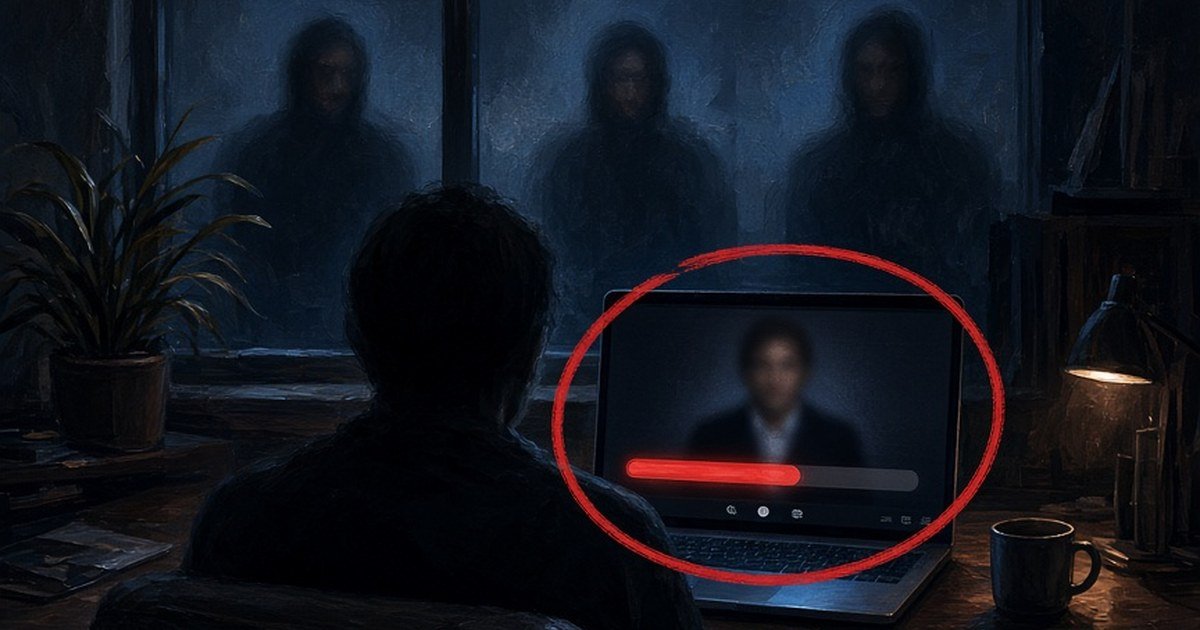
Photo: Salud3 / Imagen ilustrativa generada con IA · Imagen ilustrativa
Illustrative image: A person seen from behind at a laptop on a video call with a blurred, generic man; three hooded figures are reflected in the window. It does not depict real people.
Binance, the world's largest cryptocurrency exchange, revealed on Tuesday that the $6.3 billion theft it suffered last week began with fake job interviews aimed at one of its engineers, the BBC, Bloomberg Línea and CoinDesk reported.
It was not a single mistake.
How it started
According to Binance's chief security officer, Jimmy Su, in September a software engineer was contacted through a legitimate job platform by someone posing as a project director. A fake human resources representative interviewed him by video and, to gain his trust, shared a social media account with personal photos.
In a second interview, with a supposed CEO of a fictitious company, he was told to download a programming assignment onto his work computer. It contained previously unknown malware that, according to Binance, managed to evade its security software.
The company also said that in June another engineer had installed a tampered software package while looking for an artificial intelligence tool. Binance detected and replaced that machine, but the wallet team remained exposed, according to CoinDesk.
The heist
On October 20, the attackers used the compromised computer and an internal AI tool to access the laptops of two other engineers on the wallet team. On October 29, they used stolen credentials to run a malicious script and drain funds from one of the platform's "hot" wallets. Containment lasted until the early hours of October 30 (UTC), according to the company's timeline cited by CoinDesk.
"This was not a single mistake or a single breach. It was a campaign developed over many months," Binance co-CEO Richard Teng said, as quoted by Bloomberg Línea. The company apologized: "this should not have happened," it wrote.
Binance suspended customer withdrawals worldwide after the attack and, according to CoinDesk, began reopening them in phases on Sunday, November 1, starting with bitcoin and other major networks. It says it froze about $2.85 billion, replenished around 98% of the affected tokens with its own funds, and that users will not lose out.
North Korea?
The FBI and cybersecurity analysts attribute the attack to hackers linked to North Korea, the BBC reported. Pyongyang denied it on Tuesday: Kim Yo Jong, sister of leader Kim Jong Un, called the accusations another "sinister" US attempt to damage the country's image.
The lesson applies to anyone job-hunting online: be wary of hiring processes that ask you to download files or programs onto your computer, especially your work computer, and verify through official channels that the company and the recruiter exist.
Read also: Chile: 48 cajeros despedidos por no firmar un anexo y la Suprema les dio la razón · Reniec suspende todos sus servicios tras un incendio en sus servidores
Sources
For information only. It does not replace advice from a health professional. Medical disclaimer