Peru ships its rice to the United States for the first time: 19.5 tons from Tumbes and a tiny insect that could have stopped it all
The shipment of aged rice from Corrales, Tumbes, is headed for New Jersey. The key was that Peru is officially free of the khapra beetle, a stored-grain pest that closes markets.
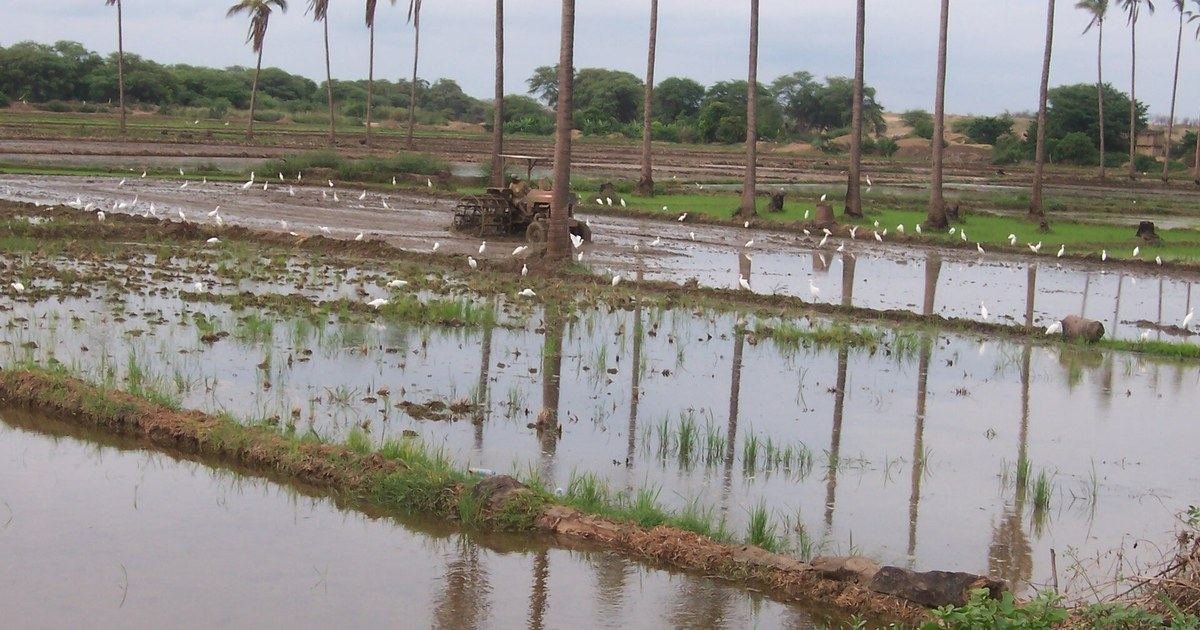
Photo: Wikimedia Commons · Public domain
Rice fields in Lower Piura. Reference photo: Alfredobi / Wikimedia Commons (Public domain).
Peru has made its first export of milled rice to the United States: a shipment of 19.5 tons grown in the district of Corrales, in Tumbes, the Ministry of Agrarian Development and Irrigation (Midagri) said, according to Infobae. The cargo of aged rice is bound for the state of New Jersey.
A tiny insect could have stopped it.
The operation included 1,720 sacks processed at a packing plant with health certification from the National Agrarian Health Service (Senasa). The product met the quality and safety requirements to enter the U.S. market.
The “guest” that closes markets
Senasa provided technical support and issued the required phytosanitary certificate. The agency highlighted that Peru holds official status as a country free of the khapra beetle (Trogoderma granarium), a pest that attacks stored grain and restricts international farm trade.
That status made it easier for Peruvian rice to gain phytosanitary access to the U.S. market and to meet the protocols required by U.S. authorities.
Small farmers and a route through Ecuador
The shipment was organized with small farmers from Tumbes and private companies. The cargo left through the port of Bolívar, in Ecuador, a route chosen with technical support from the Exporters Association (ADEX) to cut shipping time and costs.
Aged rice is stored for a period before it is sold, a process that changes some characteristics of the grain and suits the preferences of certain buyers.
What it could mean
According to Midagri, more than 74,000 rice-farming families could benefit from new export destinations. In Peru, rice is grown on more than 430,000 hectares a year, and production is around 3.7 million tons. Infobae notes that the export opens an alternative for farmers facing low prices at home.
For now it is a first shipment. The challenge will be to keep up volume and quality so that the route opened in Tumbes becomes a steady market for thousands of farming families.
Read also: Bukele envía más de 2.000 soldados a Haití · El alcalde electo de Ventanilla fue condenado y luego absuelto
Sources
For information only. It does not replace advice from a health professional. Medical disclaimer