"Sleep divorce": why more and more happy couples sleep in separate beds
Snoring, different schedules, overheating or a partner who tosses all night. Sleeping apart is no longer seen as a sign of trouble but as a way to protect both rest and the relationship. Here's what experts say and how to bring it up.
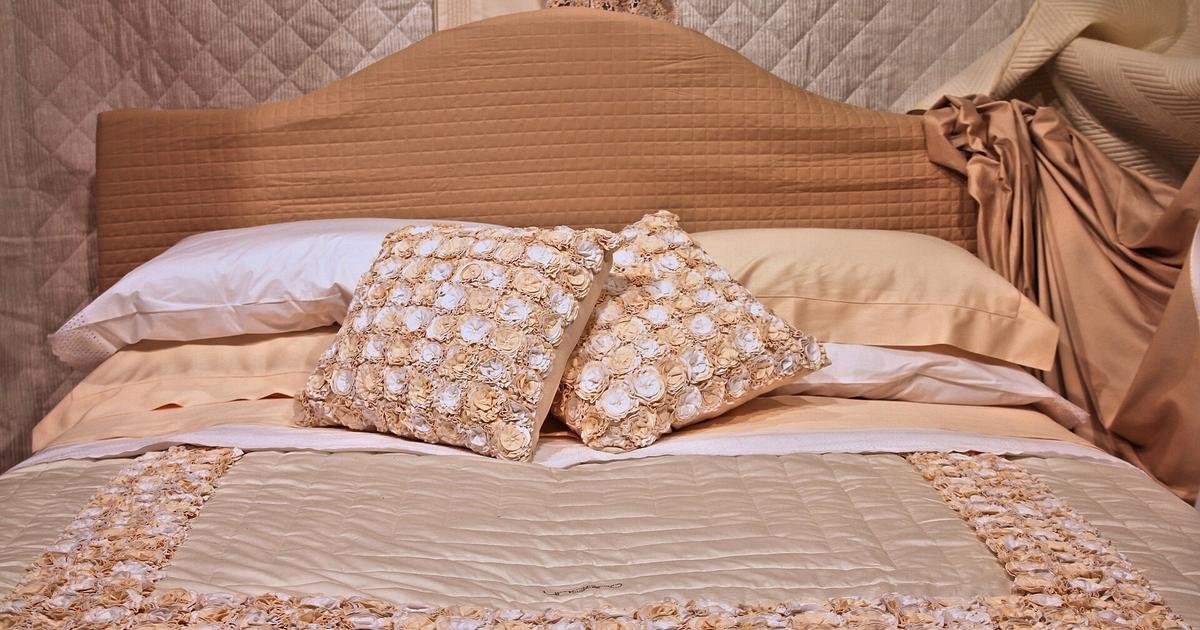
Photo: Marek Ślusarczyk (Tupungato) Photo portfolio / Wikimedia Commons · CC BY 3.0
For generations, sharing a bed was almost a symbol of marriage. Sleeping in separate rooms was linked to relationship problems. That idea is changing. On social media, the phrase "sleep divorce" has taken off to describe couples who choose to sleep in different beds or rooms, not because they love each other less, but to get better rest.
More common than you might think
Several surveys in the United States and Europe have found that a sizable share of couples sleep apart at least some nights, and that many of them see it as good for the relationship. The most common reasons include snoring, mismatched schedules (one goes to bed early, the other works nights), temperature differences, movement during sleep and phone use in bed.
Some hotels and home builders now even offer "couples' suites" with two connected bedrooms, and in some countries new homes increasingly include two primary bedrooms.
Why poor sleep affects a couple
Sleep isn't a luxury. Sleeping too little or badly is linked to more irritability, poorer concentration and less patience. Researchers who study relationships have observed that after a bad night, couples tend to argue more and resolve conflicts less well. In other words, if your partner wakes you every night with their snoring, the problem isn't only fatigue: it can also wear down your life together.
That's why some sleep specialists argue that when a shared bed prevents rest, separating at night can be a healthy decision. Others point out that sleeping together has benefits too: a sense of security, intimacy and pillow talk. The key is finding the balance that works for each couple.
Before you split up at night: rule out health issues
If loud snoring is the main reason, it's worth seeing a doctor. Heavy snoring, especially with pauses in breathing, gasping or daytime sleepiness, can be a sign of obstructive sleep apnea, a condition linked to high blood pressure and other problems that can be treated. Likewise, restless legs syndrome or persistent insomnia deserve a professional assessment. Sleeping apart shouldn't become a way to ignore a medical problem.
In-between options
Between sharing a bed and sleeping in separate rooms there are plenty of options:
- Two mattresses, or a bed with two independent halves, so one person's movements don't wake the other.
- Separate duvets, a common habit in Nordic countries that avoids "blanket wars" and temperature disagreements.
- Earplugs or white noise for the person sleeping next to a snorer.
- Part-time separation: sleeping together on weekends and apart on workdays, or starting the night together and one moving to another room if they can't sleep.
- Adjusting routines: whoever goes to bed later gets ready outside the bedroom so as not to wake the other.
How to bring it up without hurting feelings
Suggesting separate beds can spark fear that the other person will take it as rejection. A few tips:
- Talk about rest, not about them. "I've been sleeping terribly for weeks and I want to be more rested for us" sounds very different from "I can't stand your snoring."
- Frame it as a trial. Try it for two weeks and then assess together how you both feel.
- Protect intimacy. Setting aside time together in bed before sleep or in the morning helps keep nighttime separation from turning into emotional distance.
- Revisit the arrangement. Needs change over time, with children, work or age.
What matters is rest and wellbeing
There's no single right way for couples to sleep. For some people, sharing a bed is essential; for others, having their own space at night lets them start the next day with more energy and a better mood. What matters is that the decision is shared, discussed with care, and doesn't replace connection during the day. After all, a well-rested couple tends to be a more patient and happier one. Sweet dreams, wherever you each end up sleeping tonight.
For information only. It does not replace advice from a health professional. Medical disclaimer
You may also like
 Health
Respiratory virus season is here: flu, COVID and RSV, and how to prepare this fall
 Curiosities
Jonathan, the 194-year-old tortoise: what his genes reveal about aging more slowly
 Viral world
The year's funniest animal photos are taking over social media again: the contest that makes us laugh and protect nature
 Home remedies
Ginger for nausea: what the evidence says and how to use it safely
 Health
Glucose monitors on your arm: useful for everyone or only for people with diabetes?
 Animals