"Phubbing": when the phone sits between you. How it affects couples and what to do
Glancing at your phone while your partner is talking seems like a small thing, but studies link it to more conflict and lower satisfaction. Here's what phubbing is, why it hurts, and five simple agreements to win back each other's attention.
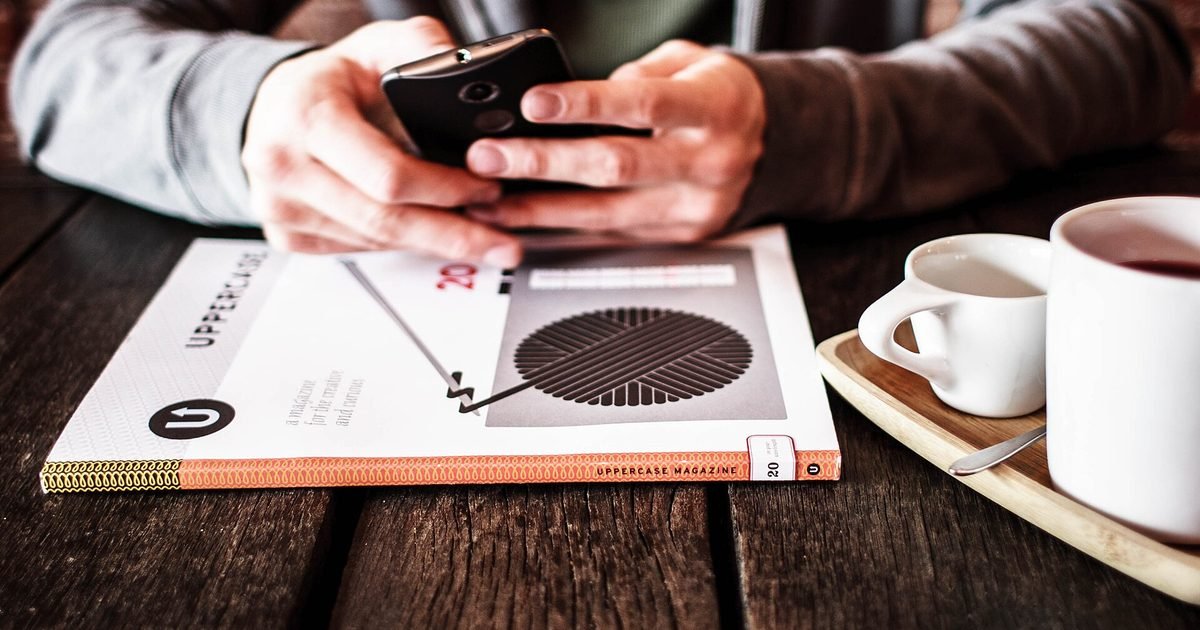
Photo: Wikimedia Commons · CC0
You're sharing something important about your day and, mid-sentence, your partner's eyes drop to their phone. They nod, say "uh-huh", but their gaze stays on the screen. That scene has a name: phubbing, a blend of "phone" and "snubbing". In other words, ignoring someone who's right there with you to pay attention to your phone.
A small gesture with big effects
The word was coined a little over a decade ago, but the habit keeps growing. A number of psychology studies have looked at what some call partner phubbing: the kind that happens within a couple. The findings are consistent across countries: people who feel their partner ignores them for their phone tend to report more arguments, lower relationship satisfaction and, in some studies, more symptoms of low mood.
It's worth adding a caveat: these studies show associations, not that phones alone wreck relationships. A couple that's already drifting apart may retreat more into their screens. But the mechanism is easy to grasp: each time we choose the phone over the person in front of us, we send a silent message that says "right now, you're not the priority."
Why it stings so much
Humans need to feel seen and heard. Relationship researchers talk about "bids for connection": small attempts to get the other person's attention, like a comment, a joke or a glance. When those bids are answered, the bond grows stronger. When they're ignored again and again, a sense of loneliness builds up, even when you're together.
Phones are especially good at stealing that attention because they're designed to: notifications, endless videos and messages demanding an instant reply. It isn't just a lack of willpower; we're competing with apps built to hook us.
Signs phubbing has moved in
- You eat lunch or dinner each staring at your own screen.
- The phone sits on the table, face up, during nearly every conversation.
- One of you often complains about "talking to a wall".
- The last thing you do before sleep and the first thing on waking is check your phone, not each other.
- You feel like you spend time together, but not with each other.
Five simple agreements
This isn't about demonizing technology but about using it intentionally. These agreements work best when you talk them through at a calm moment, without blame:
- Phone-free zones. The table at mealtimes and the bed are good places to start. Keeping the charger outside the bedroom helps a lot.
- Phone face down, or better, in another room. One well-known study found that the mere presence of a phone on the table reduced feelings of closeness in conversations between strangers.
- Say it out loud. If you need to check something, say so: "Hang on, let me answer my mom and then I'm all yours." It turns a snub into a sign of respect.
- Mute non-essential notifications. Fewer interruptions mean fewer temptations.
- A daily slot of full attention. Ten or fifteen minutes a day to talk without screens, take a walk or share a coffee. Little time, big impact.
How to raise it without a fight
If you feel ignored, it's tempting to say "you're always on your phone." But sentences with "always" and "never" tend to make people defensive. Try talking about how you feel: "When I'm telling you something and you look at your phone, I feel unimportant. Could we put the phones away during dinner?" And be ready to listen: your partner may have something to say about your habits too.
It happens between parents and kids too
Phubbing isn't only a couples' issue. Children and teens notice when their parents pay more attention to a screen than to them, and they learn by example. Family agreements (no phones at the table, for instance) work best when the adults are the first to follow them.
The best gift: your attention
In a world full of distractions, giving someone your full attention is almost an act of love. You don't have to unplug completely or give up technology. Just choose, now and then, to look into someone's eyes instead of at a screen. The conversation in front of you is almost always worth more than the notification that just arrived.
For information only. It does not replace advice from a health professional. Medical disclaimer
You may also like
 Health
Respiratory virus season is here: flu, COVID and RSV, and how to prepare this fall
 Curiosities
Jonathan, the 194-year-old tortoise: what his genes reveal about aging more slowly
 Viral world
The year's funniest animal photos are taking over social media again: the contest that makes us laugh and protect nature
 Home remedies
Ginger for nausea: what the evidence says and how to use it safely
 Health
Glucose monitors on your arm: useful for everyone or only for people with diabetes?
 Animals