How to check your home medicine cabinet in 15 minutes: expiry dates, storage and the essentials
Expired pills, cough syrups opened months ago and medicines stored in the steamy bathroom. The home medicine cabinet is often a small mess. Here's a quick review routine, what to do with what you no longer need, and a basic list so you're prepared.
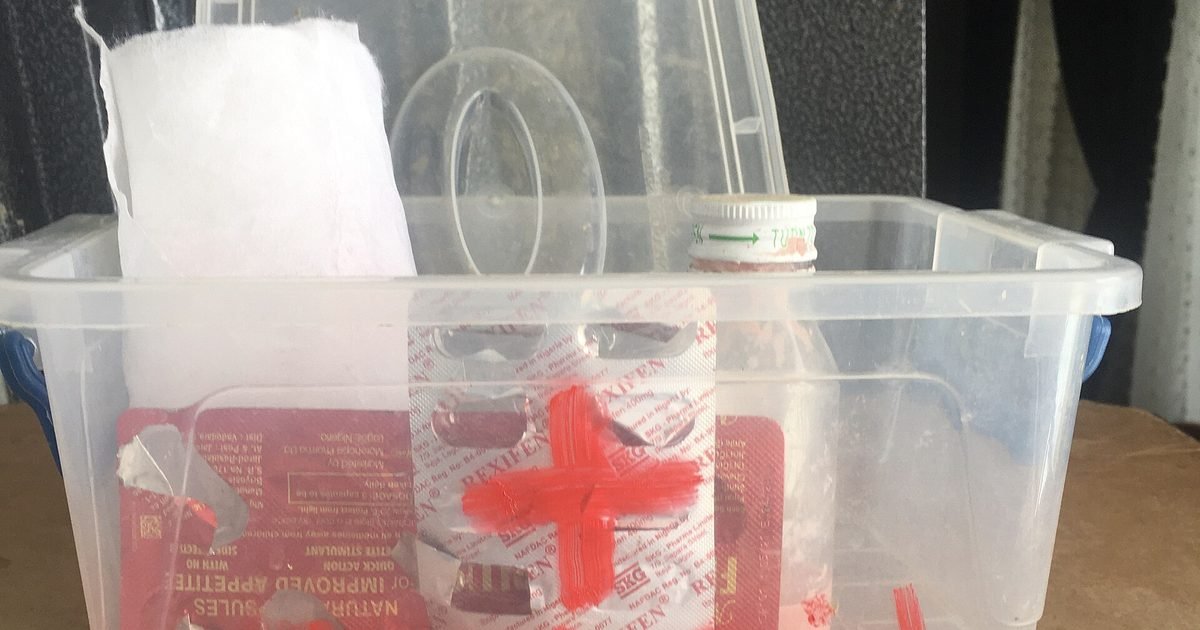
Photo: Wikimedia Commons · CC0
We open the medicine cabinet when we have a headache or someone cuts a finger, but we almost never stop to go through it. With cold and flu season starting, now is a good time. In about 15 minutes you can get rid of anything expired, organize what's useful and make sure nothing important is missing.
Step 1: empty it and check the dates
Take everything out and lay it on a table. Check the expiration date on each item. Remember too that some medicines have a shorter use-by period once opened than the printed date: eye drops, syrups, creams and children's suspensions often last only weeks or months after opening. The leaflet will tell you. A handy trick: write the date you opened it on the package with a marker.
Also discard any medicine that has changed color, smell or texture, even if it hasn't expired, and loose pills without packaging or leaflet: you can't be sure what they are or what dose they contain.
Step 2: don't toss it in the trash or flush it
Medicines flushed down the toilet or thrown in the trash can contaminate water and soil. Many pharmacies have take-back points for unused medicines, and some countries hold national drug take-back days. Bring expired or unused medicines there in their packaging. If there's no take-back option near you, ask your pharmacist or local authority how to dispose of them safely. Needles and lancets should go in a special rigid sharps container.
Step 3: watch for alerts and recalls
From time to time, health authorities recall a specific batch of a medicine because of a quality or packaging problem. If you take a medicine regularly, it's worth occasionally checking your national medicines regulator's website, where recalls are posted, or asking at your pharmacy. Never stop a long-term treatment on your own because of a news story: talk to your doctor or pharmacist first.
Step 4: location matters
Ironically, the bathroom is one of the worst places to keep medicines. Shower steam and temperature swings can degrade them. The ideal spot is:
- Somewhere cool, dry and dark, such as a cupboard in a bedroom or hallway.
- Out of children's reach and sight, ideally up high or locked. Accidental medicine poisonings are a common reason for pediatric emergency visits.
- Away from the kitchen stove and other heat sources.
- Medicines that need refrigeration (some insulins, vaccines or eye drops) belong in the fridge, on a middle shelf, never frozen.
- Always in their original packaging, with the leaflet.
Step 5: what shouldn't be missing
A basic home kit might include:
- For wounds: sterile gauze, adhesive bandages in several sizes, medical tape, saline solution, an antiseptic (such as chlorhexidine), blunt-tipped scissors and tweezers.
- For pain and fever: acetaminophen (paracetamol) or ibuprofen, in adult strengths and, if there are children at home, versions suited to their age and weight.
- A digital thermometer.
- For the stomach: oral rehydration salts, useful for diarrhea and vomiting.
- For mild allergies: an antihistamine recommended by your pharmacist.
- An instant or gel cold pack.
- Disposable gloves.
- A list with emergency numbers, the poison control number, and each family member's medicines and allergies.
There's no need to stockpile: a few useful items in good condition are better than a mountain of boxes.
Common mistakes
- Keeping leftover antibiotics "just in case." Antibiotics should be taken only with a prescription and for the prescribed time. Self-medicating fuels resistance.
- Doubling up on active ingredients. Many cold and flu remedies already contain acetaminophen; taking them together with plain acetaminophen can exceed the safe dose. Always read the ingredients.
- Using kitchen spoons to measure syrups. Use the dosing device that comes with the medicine.
- Sharing prescription medicines prescribed for someone else.
Put the next check on the calendar
Reviewing your medicine cabinet twice a year, for instance when the clocks change in spring and fall, is an easy habit to remember. Fifteen minutes of tidying can prevent a scare and save you an emergency trip to the pharmacy at the worst possible moment. And whenever you have a question about a medicine, your pharmacist is a great ally.
For information only. It does not replace advice from a health professional. Medical disclaimer
You may also like
 Health
Respiratory virus season is here: flu, COVID and RSV, and how to prepare this fall
 Curiosities
Jonathan, the 194-year-old tortoise: what his genes reveal about aging more slowly
 Viral world
The year's funniest animal photos are taking over social media again: the contest that makes us laugh and protect nature
 Home remedies
Ginger for nausea: what the evidence says and how to use it safely
 Health
Glucose monitors on your arm: useful for everyone or only for people with diabetes?
 Animals