Mosquito bites: what really relieves the itch and which myths to forget
With warm weather stretching into autumn, mosquitoes are still active in many areas. We review the home remedies that help calm the itch, the ones that don't work, and the signs that a bite needs medical attention.
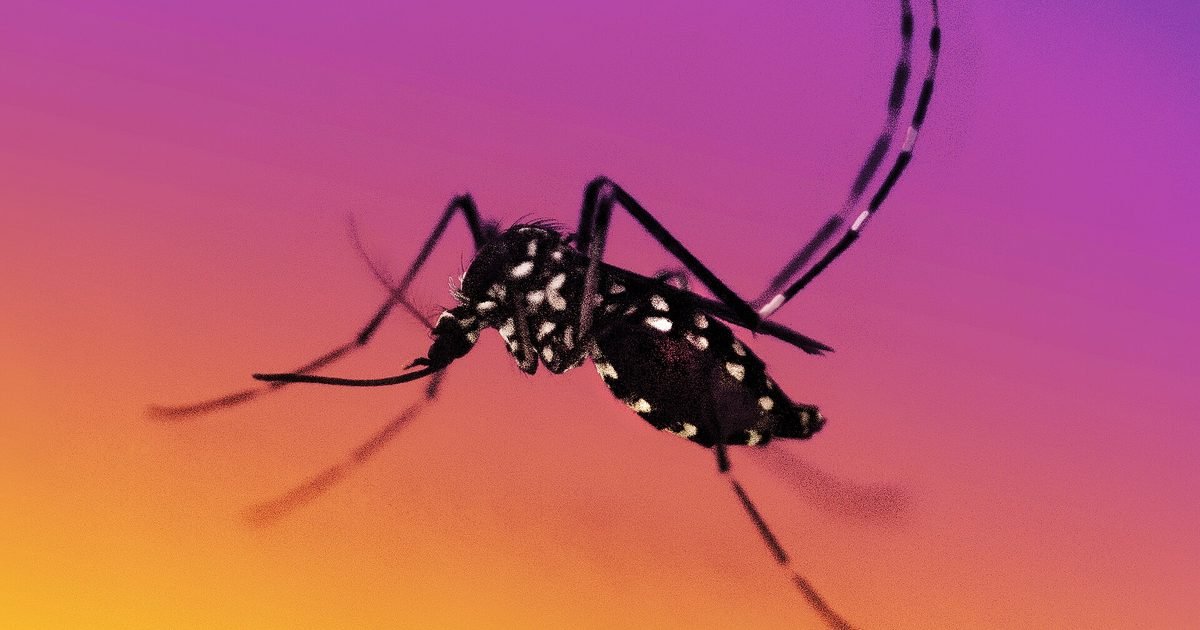
Photo: NIAID / Wikimedia Commons · CC BY 2.0
In many places, autumn no longer means the end of mosquito season. Longer summers and irregular rain keep them buzzing well into October. And with them come the bites: that red bump that itches so much it's hard not to scratch. Here's what works, what doesn't and how to prevent them.
Why bites itch
Only female mosquitoes bite, because they need proteins from blood to produce eggs. When they bite, they inject saliva containing substances that stop blood from clotting. Our immune system recognizes that saliva as foreign and releases histamine, which causes swelling, redness and, above all, itching. That's why some people react far more than others.
Remedies that help
- Wash with soap and water. That's step one. It cleans the area and lowers the risk of infection if you scratch.
- Cold. An ice cube wrapped in a cloth or a cold compress for a few minutes numbs the area and reduces swelling. It's probably the simplest and most effective home remedy.
- Brief localized heat. There are small devices that apply controlled heat to the bite for a few seconds. Some studies suggest they relieve itching. If you use one, follow the instructions to avoid burns, especially on children.
- Calamine lotion or menthol creams: they provide a cooling sensation that distracts from the itch.
- Baking soda paste. Mixing a teaspoon of baking soda with a little water and applying it for a few minutes is a popular remedy. Evidence is limited, but many people find it soothing. Rinse it off if it irritates.
- Pure aloe vera gel: cools and soothes the skin.
- Pharmacy products: low-strength hydrocortisone creams or oral antihistamines can help with many bites or large reactions. Ask a pharmacist for advice, especially for children, during pregnancy or if you take other medicines.
Myths and tricks to avoid
- Pressing an X into the bite with your fingernail. It may distract for a moment, but it damages the skin and invites infection.
- Applying rubbing alcohol, undiluted vinegar or toothpaste. They can irritate the skin, especially if it's already scratched.
- Undiluted essential oils. They can cause irritation or allergic reactions.
- Eating garlic or taking vitamin B to avoid bites. There's no solid evidence it works.
- "Anti-mosquito" wristbands and ultrasonic devices. Studies haven't shown that they protect you.
The best strategy: prevention
- Effective repellents. Those containing DEET, picaridin (icaridin), IR3535 or oil of lemon eucalyptus (PMD) are the ones recommended by health agencies. Follow the label directions, especially for children.
- The right clothing. Long sleeves and long pants in light colors at dawn and dusk, when many mosquitoes are most active.
- Screens and nets on windows and beds.
- Get rid of standing water. Mosquitoes lay eggs in still water: plant saucers, buckets, old tires, toys in the yard. Empty them once a week.
- Fans. Mosquitoes are weak fliers in moving air; a fan nearby can reduce bites.
When a bite needs medical attention
Most bites clear up on their own in a few days. But see a doctor if:
- The area becomes increasingly red, hot, painful or oozes pus: it may be infected.
- There's a very large reaction with widespread swelling, especially in children (sometimes called "skeeter syndrome").
- There's difficulty breathing, swelling of the lips or tongue, or dizziness: that's an emergency.
- In the following days or weeks you develop fever, severe headache, joint pain or a rash, especially if you've been in areas where diseases such as dengue, chikungunya, Zika, malaria or West Nile virus circulate.
A mini kit for the season
Keeping a few items on hand saves you from improvising: a suitable repellent for each family member, a cold gel pack in the freezer, calamine lotion or aloe gel, and an antihistamine recommended by your pharmacist. Store them together and check the expiry dates at the start of the season.
In short
For the itch: wash, cool and don't scratch. To avoid scares: repellent, clothing and no standing water. And if general symptoms appear after a bite, don't ignore them. With these simple steps, the tail end of mosquito season can be much more bearable.
For information only. It does not replace advice from a health professional. Medical disclaimer
You may also like
 Health
Respiratory virus season is here: flu, COVID and RSV, and how to prepare this fall
 Curiosities
Jonathan, the 194-year-old tortoise: what his genes reveal about aging more slowly
 Viral world
The year's funniest animal photos are taking over social media again: the contest that makes us laugh and protect nature
 Health
Glucose monitors on your arm: useful for everyone or only for people with diabetes?
 Animals
The Amazon's "ghost dog": the wild canid almost no one has seen, now being revealed by camera traps
 Relationships