How to organize your fridge so food lasts longer and you waste less
Each shelf in your fridge has a different temperature, and not every food belongs in the same place. A few simple changes can cut waste, save money and improve food safety at home.
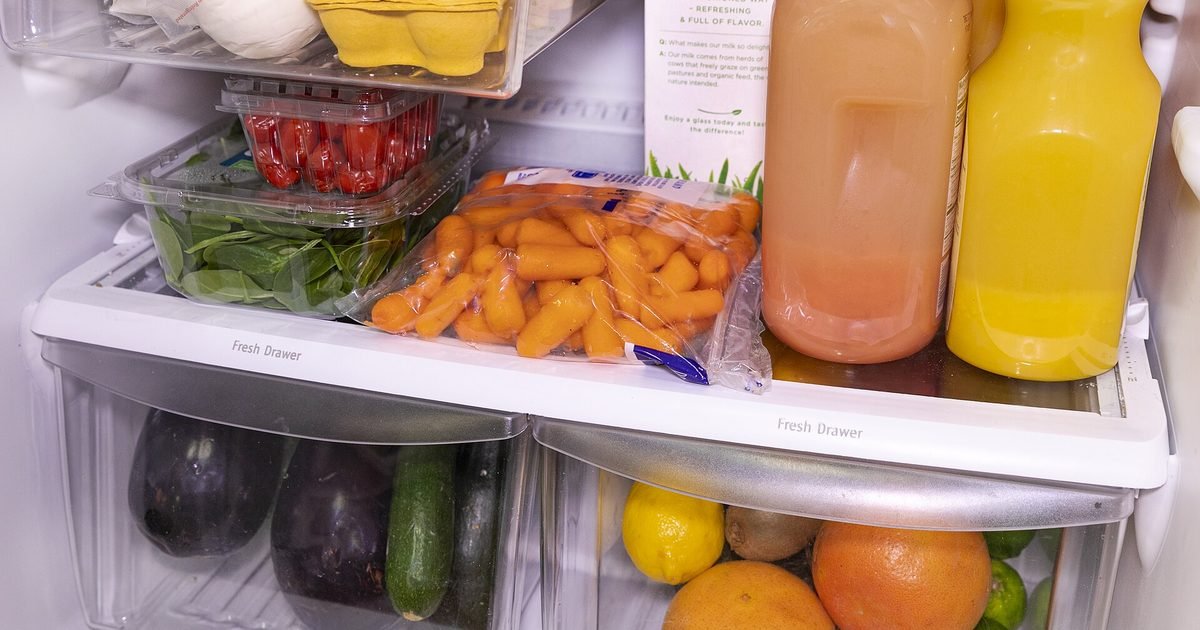
Photo: Wikimedia Commons · CC0
According to estimates from the United Nations Environment Programme, a huge share of the food wasted worldwide is thrown away in homes. And much of that waste starts in the fridge: vegetables forgotten in the crisper, leftovers spoiling at the back, or yogurts that expire unseen. Organizing your fridge well is one of the simplest ways to save money and throw away less.
The right temperature
First, check that your fridge is at the right temperature: about 1 to 4 °C (34 to 40 °F) as a general guide, and always below 5 °C (41 °F). The freezer should be at -18 °C (0 °F). Many fridges don't have an accurate display, so a simple appliance thermometer can be a good investment. Above 5 °C, bacteria multiply faster.
Every zone has a job
Cold air sinks, so the temperature isn't the same everywhere. In most fridges:
- Top shelves: slightly less cold. Ideal for cooked food, leftovers, deli meats, cheese and ready-to-eat items.
- Middle shelves: dairy such as yogurt, cream and eggs (better here than in the door, if they fit).
- Bottom shelf: the coldest area. This is where raw meat and fish belong, always in sealed containers or on a plate so their juices can't drip onto other foods.
- Crisper drawers: fruit and vegetables. If you have two, keep fruit and veg apart.
- Door: the area with the biggest temperature swings, because it's opened constantly. Best for drinks, sauces, jams and condiments. Milk is fine there, but it lasts a little longer inside.
What shouldn't go in the fridge
- Tomatoes: cold dulls their flavor and texture. Keep them at room temperature until ripe.
- Potatoes: in a cool, dark, dry place outside the fridge.
- Whole onions and garlic: in the pantry, somewhere ventilated and away from potatoes.
- Bananas: outside, though once ripe you can refrigerate them to slow things down (the peel darkens, but the inside holds up).
- Bread: it goes stale faster in the fridge. If you won't eat it soon, freeze it in slices.
- Unripe avocados: outside until ripe; then into the fridge to buy a few more days.
The "first in, first out" trick
When you get home from shopping, put new items at the back and older ones at the front. That way you'll use up what expires first. Many restaurants work this way, and it's easy to do at home.
Another useful idea is an "eat me first" box or tray on a visible shelf, for foods that need to be eaten within a day or two.
"Best before" isn't the same as "use by"
Understanding labels helps you waste less:
- "Use by" dates appear on highly perishable foods like raw meat, fresh fish and fresh dairy. After that date, don't eat them, for safety reasons.
- "Best before" or "best if used by" dates indicate how long a product keeps its best quality. After that date, if the packaging is intact and it's been stored properly, it's usually still fine to eat, though it may lose some flavor or texture. These are common on cookies, pasta, canned goods and cereals.
Labeling rules differ between countries, so read the wording carefully.
Safe leftovers
- Cool cooked food quickly and refrigerate it within about two hours.
- Use airtight containers and label them with the date.
- Eat leftovers within three to four days, or freeze them.
- Reheat until piping hot all the way through.
- When in doubt (odd smell, mold, slimy texture), throw it out.
Don't pack it to the brim
Cold air needs to circulate. An overstuffed fridge cools less effectively, and some spots may stay warmer. Avoid putting very hot food straight in, as it raises the internal temperature. And don't block the air vents at the back.
Cleaning
Clean the fridge every few weeks with warm water and a little mild soap or baking soda, then dry it well. Wipe up spills right away, especially from raw meat. A small open container of baking soda helps absorb odors.
Ways to use up what's left
Slightly wilted vegetables are perfect for soups, purées or omelets. Overripe fruit works in smoothies, compotes or cakes. Stale bread becomes breadcrumbs or French toast. And a weekly "leftovers night" is a fun way to clear the fridge before the next shop. With a little organization, your fridge can become an ally for eating better, spending less and looking after the planet.
For information only. It does not replace advice from a health professional. Medical disclaimer
You may also like
 Health
Respiratory virus season is here: flu, COVID and RSV, and how to prepare this fall
 Curiosities
Jonathan, the 194-year-old tortoise: what his genes reveal about aging more slowly
 Viral world
The year's funniest animal photos are taking over social media again: the contest that makes us laugh and protect nature
 Home remedies
Ginger for nausea: what the evidence says and how to use it safely
 Health
Glucose monitors on your arm: useful for everyone or only for people with diabetes?
 Animals