The mistake that kills most houseplants (and it isn't forgetting to water)
Contrary to what many people think, overwatering is one of the main reasons houseplants die. As fall arrives, their rhythm changes. Here's how to tell when to water, the warning signs, and how to rescue a waterlogged plant.
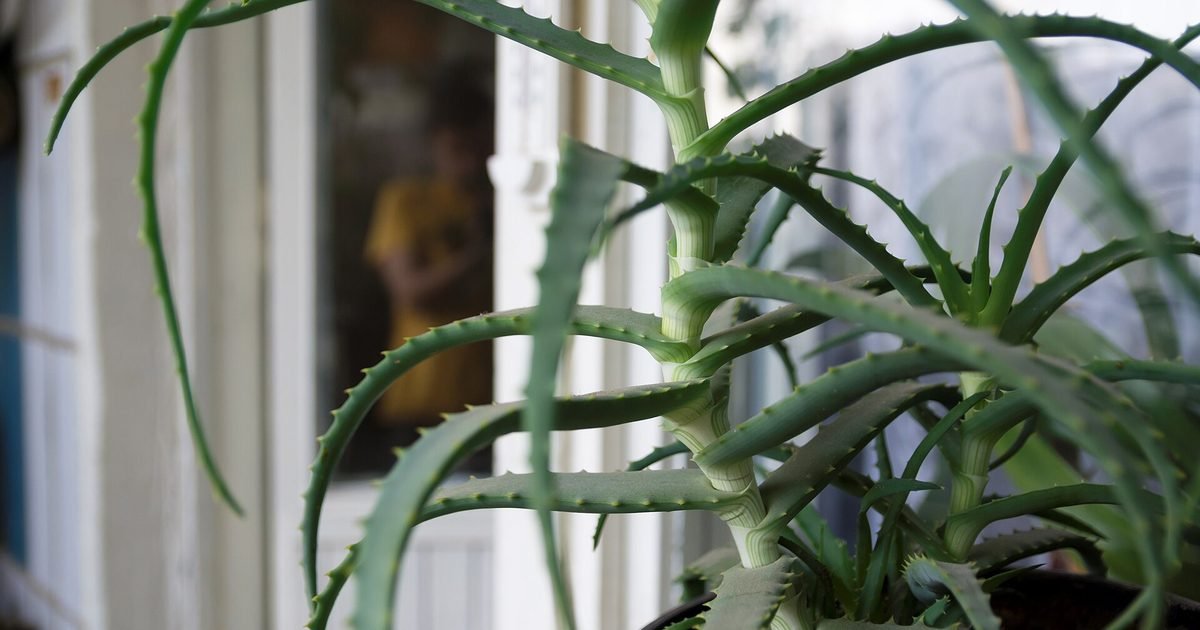
Photo: Vyacheslav Argenberg / Wikimedia Commons · CC BY 4.0
You buy a pothos, a monstera or a snake plant, water it lovingly every few days and, a few weeks later, the leaves turn yellow and the stem goes soft. If that sounds familiar, you're not alone. Many gardening experts agree that overwatering kills more indoor plants than forgetting to water.
Why too much water does so much harm
Roots don't just absorb water: they also need oxygen. When the soil is soaked all the time, the pockets that should hold air fill with water and the roots literally suffocate. Constant moisture also encourages fungi that cause root rot. The tricky part is that a plant with rotting roots can look thirsty: it wilts because the damaged roots can no longer take up water, so we water it even more.
Fall changes the rules
With fewer daylight hours and cooler temperatures, most houseplants grow more slowly and use less water. If you watered once a week in summer, every two or three weeks may now be enough, depending on the species and where it sits. That makes this a good moment to rethink your routine. Watch out for central heating: it dries the air, but not always the soil at the same rate.
The finger test
The simplest way to know whether it's time to water is to push your finger into the soil about two or three centimeters (roughly up to the second knuckle). If it's dry at that depth, water. If it's damp, wait. For large pots, a long wooden skewer works like the cake test: if it comes out clean and dry, it's time.
Another helpful clue is the weight of the pot: lift it right after watering and again a few days later. With practice, you'll learn to tell a "full" pot from an "empty" one.
How to water properly
- Water deeply but less often. It's better to soak the soil until water runs out of the drainage holes than to give small, frequent sips.
- Empty the saucer. If water pools in the saucer or decorative outer pot, the roots sit in it. Pour it off after 15 or 20 minutes.
- Use pots with holes. Decorative pots without drainage look nice, but they're best used as covers, with a plastic pot with holes inside.
- Use room-temperature water. Very cold water can stress some tropical species.
- Adjust to the plant. They don't all need the same thing.
Every plant has its own rhythm
- Succulents and cacti: let the soil dry out completely between waterings. In fall and winter, very little water.
- Snake plant and ZZ plant: store water in their leaves and roots. They're among the most sensitive to soggy soil.
- Pothos, monstera and philodendron: water when the top few centimeters are dry.
- Ferns and calatheas: prefer more consistent moisture, without waterlogging, and appreciate humid air.
- Phalaenopsis orchids: water when the roots look silvery, soaking the pot for a few minutes and letting it drain well.
Signs of overwatering
- Yellow leaves, especially lower ones, that feel soft.
- A soft or blackened stem at the base.
- Soil that smells musty or rotten.
- Tiny flies hovering around the pot (fungus gnats breed in damp soil).
- Brown spots with yellow edges on the leaves.
By contrast, underwatering usually shows up as dry, crispy leaves with brown tips, and soil pulling away from the sides of the pot.
How to rescue a waterlogged plant
- Stop watering immediately.
- Slide the plant out of its pot and look at the roots. Healthy ones are firm and pale; rotten ones are dark, mushy and smelly.
- With clean scissors, trim off the damaged roots.
- Repot in fresh, well-draining mix (you can add perlite or bark) in a pot with drainage holes.
- Wait a few days before watering again and place it in bright, indirect light.
Not every plant can be saved, but many recover if you act in time. If any healthy stems remain, you can also try taking cuttings.
Less is more
Caring for plants isn't about watering often; it's about paying attention. Before you pick up the watering can, touch the soil. With that simple habit, your living room can stay green all fall and winter. And if you have pets, check which plants are safe for them, since some, such as pothos and dieffenbachia, can be toxic if chewed. A little observation goes a long way, for your plants and for everyone who shares your home with them.
For information only. It does not replace advice from a health professional. Medical disclaimer
You may also like
 Health
Respiratory virus season is here: flu, COVID and RSV, and how to prepare this fall
 Curiosities
Jonathan, the 194-year-old tortoise: what his genes reveal about aging more slowly
 Viral world
The year's funniest animal photos are taking over social media again: the contest that makes us laugh and protect nature
 Home remedies
Ginger for nausea: what the evidence says and how to use it safely
 Health
Glucose monitors on your arm: useful for everyone or only for people with diabetes?
 Animals