Ice or heat? When to use each for bumps, sprains and sore muscles
It's one of the most common questions at home: for a sprain, a stiff neck or post-workout soreness, should you reach for ice or a hot-water bottle? The answer depends on the type of pain and its timing. Here's a simple guide, with precautions.
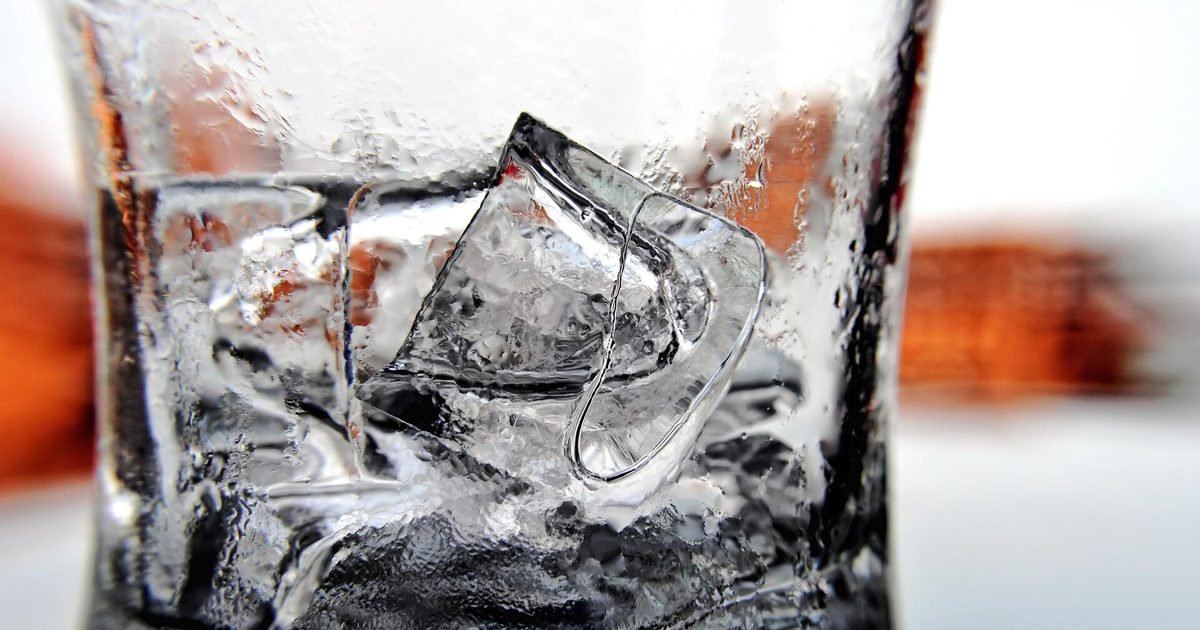
Photo: Nattu from Male', Maldives / Wikimedia Commons · CC BY 2.0
You've twisted your ankle on the stairs, or woken up with a stiff neck after sleeping awkwardly. Most of us have an ice pack and a hot-water bottle at home, but we're not always sure which to use. The general rule is simple: cold for recent and swollen, heat for stiff and lingering. Here's why.
How cold works
Cold makes blood vessels narrow. That reduces blood flow to the area and can help limit swelling. It also numbs nerve endings, which eases pain temporarily.
When to use cold:
- Fresh bumps and injuries, in the first 24 to 48 hours.
- Mild twists and sprains, when the area is swollen, warm or red.
- After exertion that has left an area sore and inflamed.
- Some headaches, applied to the forehead or the back of the neck.
How heat works
Heat does the opposite: it widens blood vessels, boosts circulation and helps muscles relax. That's why it eases stiffness and muscle knots.
When to use heat:
- Muscle knots and tension, for example in the neck, shoulders or back.
- Morning stiffness or stiffness after sitting for a long time.
- Muscle aches that last for days, with no swelling.
- Menstrual cramps in the abdomen.
- Before stretching a tight area, to warm up the muscle.
What about next-day workout soreness?
The muscle pain that shows up a day or two after hard exercise (known as delayed-onset muscle soreness) isn't caused by "lactic acid crystals," as people used to say, but by tiny micro-injuries in muscle fibers. Some people get relief from gentle heat, others from cold. The evidence doesn't show a clear winner. What usually helps most is light movement, such as walking or easy cycling, and giving your body time.
How to apply them properly
Cold:
- Wrap the ice or gel pack in a thin cloth. Never put it directly on bare skin.
- Apply for 10 to 20 minutes.
- Wait at least an hour before repeating.
- A bag of frozen peas works very well because it molds to the shape of your body.
Heat:
- Use warm, not scalding, heat. A hot-water bottle wrapped in a towel, a heating pad or a warm shower.
- Apply for about 15 to 20 minutes.
- Don't fall asleep with an electric blanket or heating pad switched on against your skin.
Important precautions
- People with diabetes, circulation problems or reduced sensation should take extra care, because they may not notice their skin is burning or freezing.
- Don't apply heat to a fresh, swollen injury: it can increase inflammation.
- Don't use cold on areas with poor circulation or if you have Raynaud's phenomenon without checking first.
- Avoid both on open wounds or damaged skin.
- With young children and older adults, keep a closer eye on temperature and timing.
When to see a doctor
Ice and heat are useful for minor aches. But get checked if:
- You can't put weight on your foot or move the joint after a twist.
- There's a visible deformity, a loud pop at the moment of injury or a very large bruise.
- The pain is severe or doesn't improve within a few days.
- You develop tingling, numbness or weakness in your arms or legs.
- Back pain comes with fever, unexplained weight loss or trouble urinating.
- The area becomes very red and hot and you have a fever, which could signal an infection.
An easy rule to remember
If it's new, swollen and hot: cold. If it's old, stiff and tight: heat. And if you're unsure, start with whatever feels more comfortable, for no more than 20 minutes, and see how your body responds. Combined with relative rest and gentle movement, these simple remedies can make a real difference to recovery. Keep both in your freezer and cupboard, and you'll be ready the next time a bump or ache catches you by surprise.
A quick tip: label a reusable gel pack "ankle/knee" and keep it flat in the freezer, so it is ready to use the moment you need it.
For information only. It does not replace advice from a health professional. Medical disclaimer
You may also like
 Health
Respiratory virus season is here: flu, COVID and RSV, and how to prepare this fall
 Curiosities
Jonathan, the 194-year-old tortoise: what his genes reveal about aging more slowly
 Viral world
The year's funniest animal photos are taking over social media again: the contest that makes us laugh and protect nature
 Health
Glucose monitors on your arm: useful for everyone or only for people with diabetes?
 Animals
The Amazon's "ghost dog": the wild canid almost no one has seen, now being revealed by camera traps
 Relationships